
Sky-High Standards: Mastering the Art of Business Aviation Catering
1. The Science of Taste at 40,000 Feet
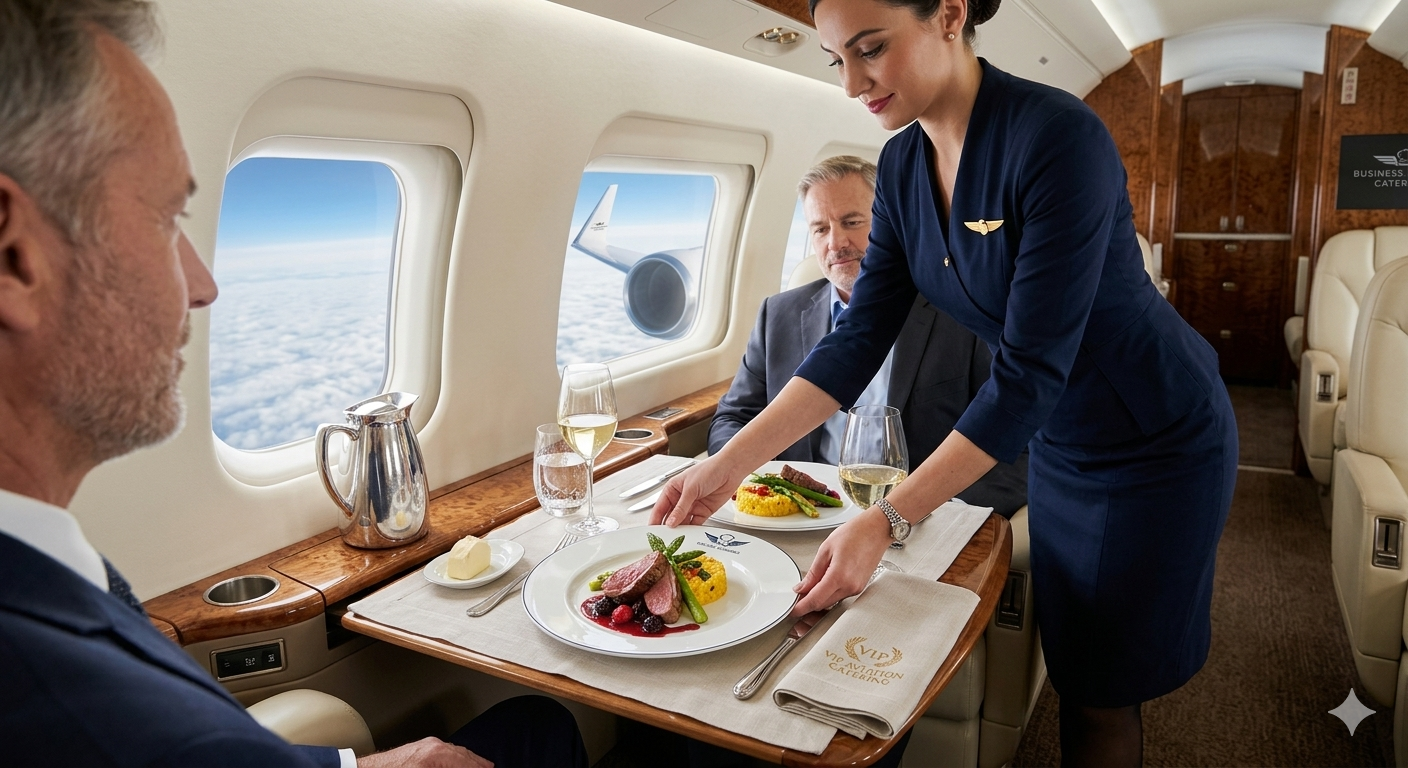
One of the most significant challenges in aviation catering is invisible: human physiology. Research shows that at high altitudes, the combination of low humidity and pressurized cabins reduces our sensitivity to salt and sugar by up to 30%.
To counteract this "numbing" of the palate, executive aviation chefs do not simply add more salt. Instead, they use the science of umami and high-acid ingredients like citrus, or bold spices and herbs, to brighten flavors. Every recipe is meticulously engineered to ensure that a dish tasting perfect on the ground doesn't become bland once the aircraft reaches cruising altitude.
2. Logistics: A Symphony of Timing and Safety
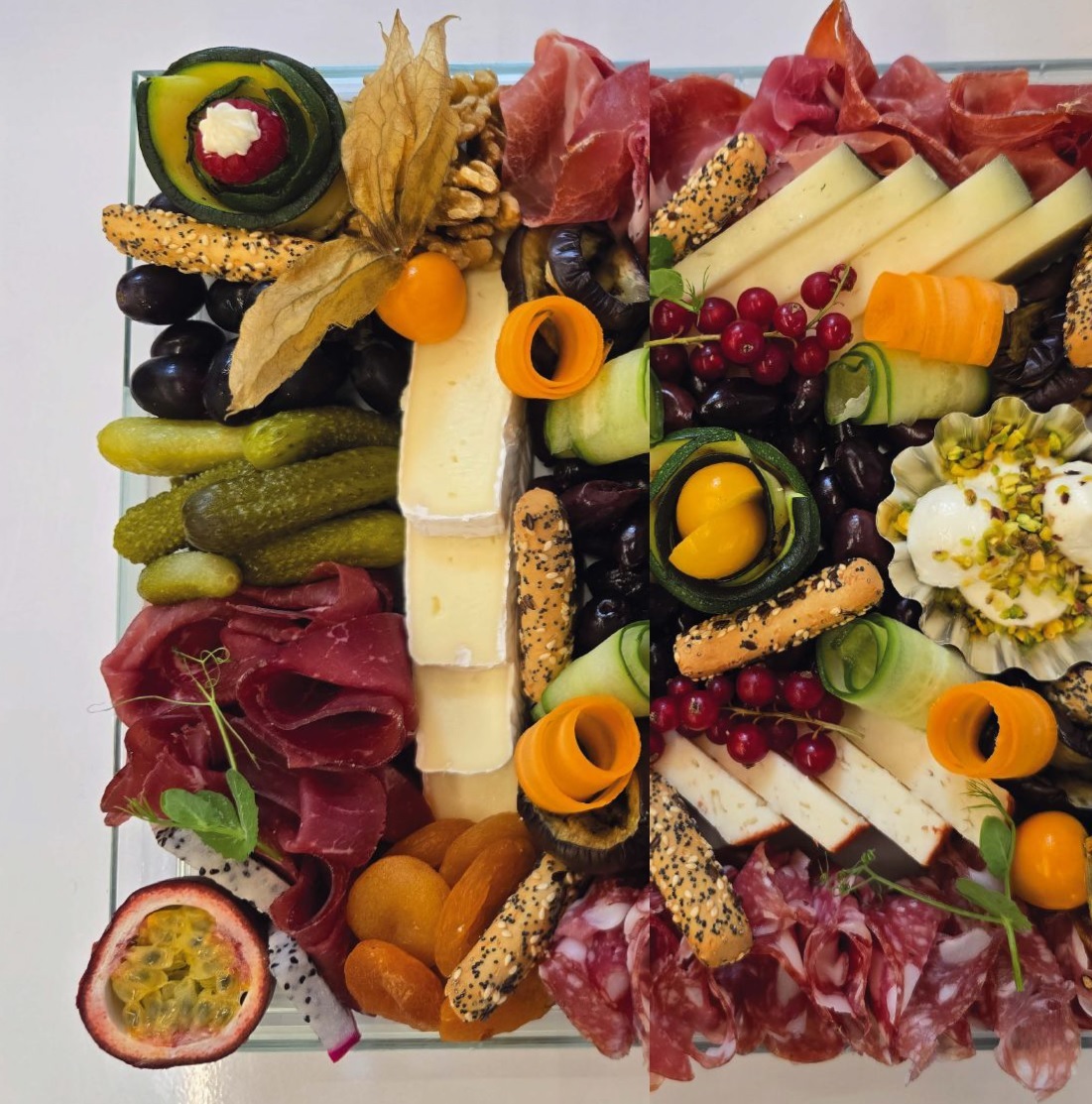
In business aviation, the only constant is change. Unlike commercial scheduled flights, private jet itineraries are fluid. A catering provider must be prepared to handle a "pop-up" flight with two hours' notice or a last-minute manifest change from two passengers to ten.
Beyond timing, the logistics of food safety are paramount. The "cold chain" must never be broken. From the moment a meal leaves a temperature-controlled kitchen until it is placed in the aircraft’s galley, every second is monitored. Furthermore, catering teams must navigate stringent airport security protocols and "ramp-side" delivery, ensuring that the food is not only fresh but also arrives in a secure and sterile manner.
3. Extreme Personalization: The "Anything, Anywhere" Rule
The hallmark of a premier FBO catering partner is the ability to say "yes" to any request. This level of bespoke service includes:
- Dietary Precision: Flawless execution of Keto, Paleo, Halal, Kosher, or allergen-free menus (such as nut-free or gluten-free environments).
- Restaurant Sourcing: It is not uncommon for a passenger to request a specific dish from a famous restaurant in the city. The catering team acts as a high-stakes concierge, sourcing, packaging, and delivering these meals while ensuring they can be safely reheated on board.
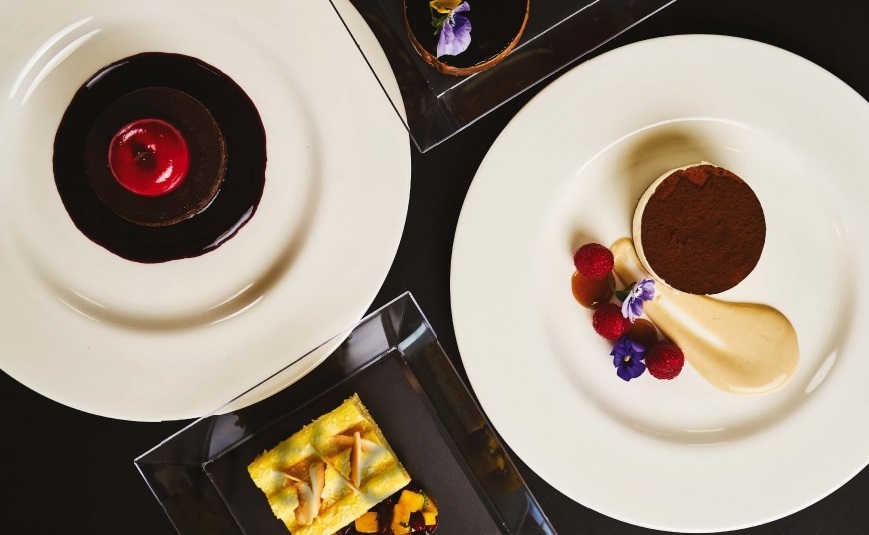
- Plating Aesthetics: Since we "eat with our eyes" first, catering providers provide detailed plating instructions for flight attendants, ensuring that the visual presentation matches the luxury of a five-star hotel.
4. Sustainability and the Future of In-Flight Dining
As the aviation industry faces increasing pressure to reduce its environmental footprint, catering is at the forefront of this transformation. Modern providers are adopting several "green" initiatives:
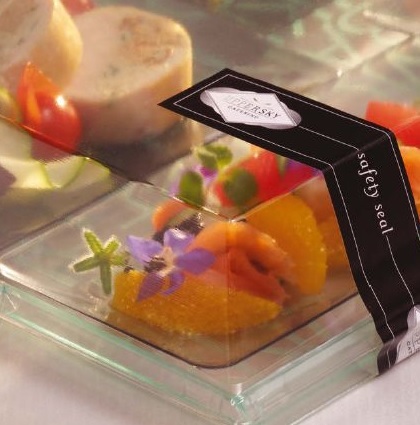
- Zero-Waste Packaging: Moving away from single-use plastics toward high-end, biodegradable, or compostable materials.
- Farm-to-Flight: Prioritizing seasonal, organic ingredients sourced from local farmers to reduce "food miles" and support local economies.
- Smart Inventory: Using AI and data analytics to predict passenger preferences more accurately, significantly reducing food waste at the end of each leg.
Conclusion
In the competitive landscape of business aviation, catering is a key differentiator. It is an intricate dance of culinary creativity, scientific understanding, and logistical perfection. When done correctly, it does more than just nourish the traveler—nurturing
passenger's well-being and providing a sense of comfort that makes the cabin feel like home, no matter where in the world they are flying.
Older articles

How To Speed Up “In Processing” Vietnam E- Visa Application
If you’re wondering what you can do to speed up your pending Vietnamese e-visa...

Long Thanh International Airport: Final Countdown to 2026...
As of late April 2026, the construction site of Long Thanh International Airport...

State Department slashes fee to renounce US citizenship by...
The cost for Americans who wish to formally renounce their United States...