
Tan Son Nhat Airport Master Plan Through 2050: Elevating the Gateway of the Southern Mega City
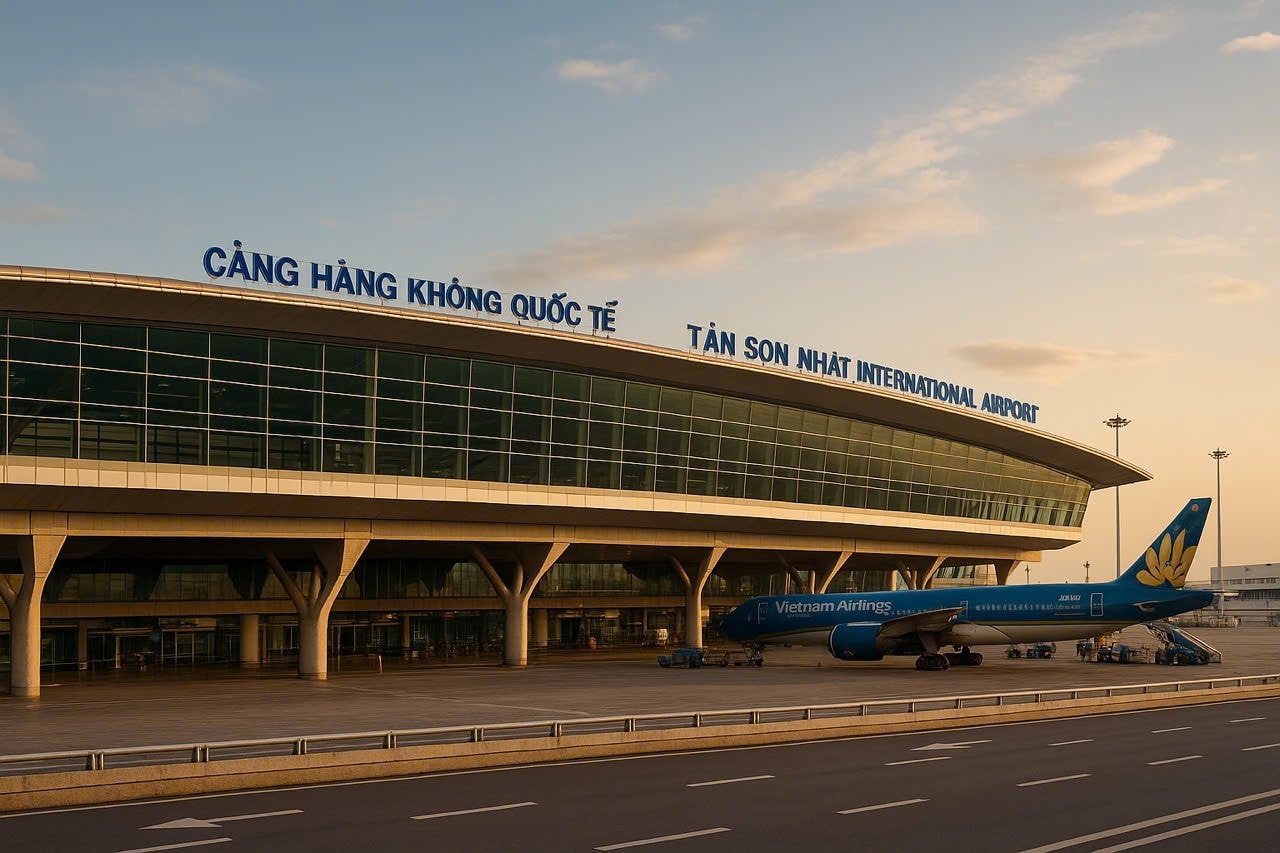
The planning directive, issued under Decision No. 2429/QĐ-BXD, seeks to optimize existing land use, enhance infrastructure capacity, and ensure integrated development aligned with the national airport network and broader socio-economic growth objectives.
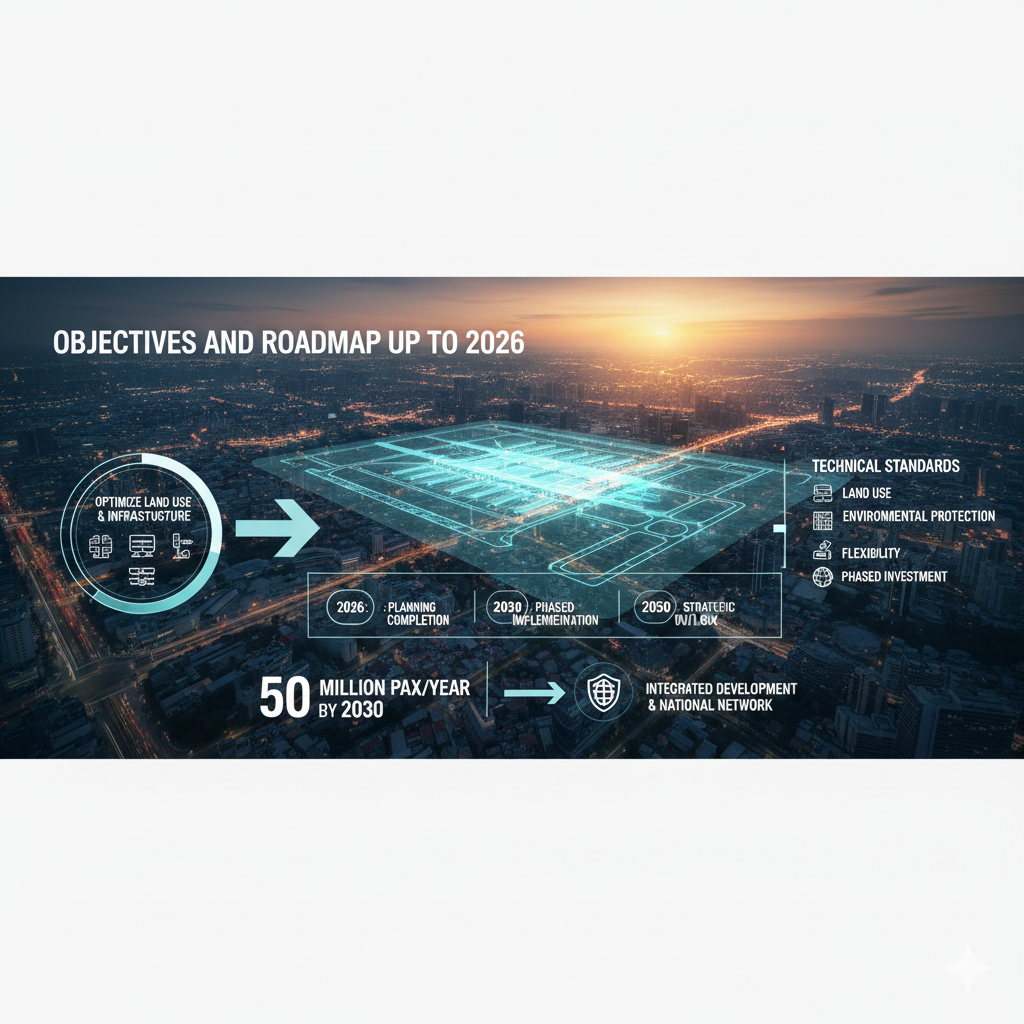
Objectives and Roadmap Up to 2026
The master plan focuses on defining technical standards for land use, infrastructure, and environmental protection to accommodate the rapid rise in air transport demand. The design emphasizes flexibility and phased investment strategies that allow Tan Son Nhat to adapt efficiently to future needs. The planning process is scheduled for completion by the first quarter of 2026, with phased implementation targets beginning in 2026 and continuing through 2030, and a strategic outlook extended to 2050.
The updated plan also preserves compatibility with national defense and security requirements, upholding high operational safety standards in line with the economic development pace of Ho Chi Minh City and its surrounding areas.
Strategic Infrastructure Considerations
Recent developments, including the opening of Terminal T3 with a capacity of 20 million passengers per year, have alleviated congestion at existing terminals and influenced updated planning scenarios.
Additionally, the planned relocation of military land adjacent to the airport is expected to free up significant space for civil aviation use, creating opportunities for expanded aviation services, logistics, and commercial projects.
The planning process also considers the operational relationship between Tan Son Nhat and the forthcoming Long Thanh International Airport, which is expected to reshape regional air traffic patterns once fully operational.
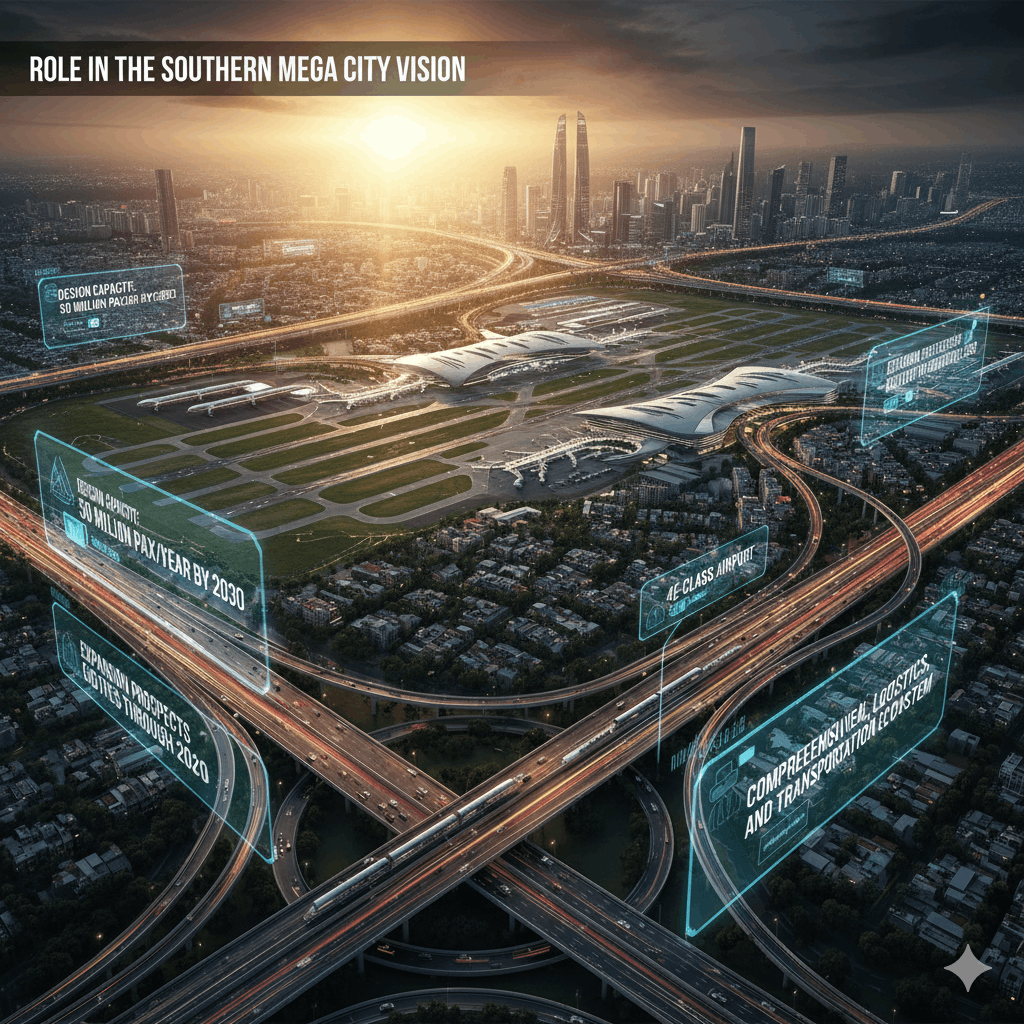
Role in the Southern Mega City Vision
Under Decision No. 1714/QĐ-BXD, Tan Son Nhat has been designated as a 4E-class airport, with an intended design capacity of 50 million passengers per year by 2030 and expansion prospects through 2050. This expansion forms part of the larger vision of establishing Ho Chi Minh City—following administrative expansion with adjacent provinces—as a mega city with a comprehensive industrial, logistics, and transportation ecosystem.
Overall, the master plan not only addresses technical and infrastructure challenges but also helps shape the future of aviation in Southern Vietnam, supporting Ho Chi Minh City’s aspiration to become a leading economic center in the region by 2045.
Older articles

How To Speed Up “In Processing” Vietnam E- Visa Application
If you’re wondering what you can do to speed up your pending Vietnamese e-visa...

Long Thanh International Airport: Final Countdown to 2026...
As of late April 2026, the construction site of Long Thanh International Airport...

State Department slashes fee to renounce US citizenship by...
The cost for Americans who wish to formally renounce their United States...