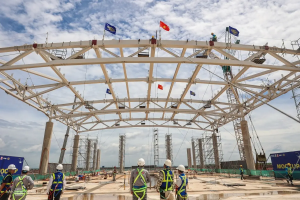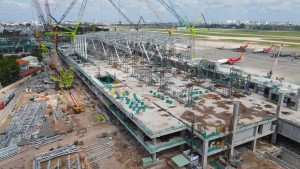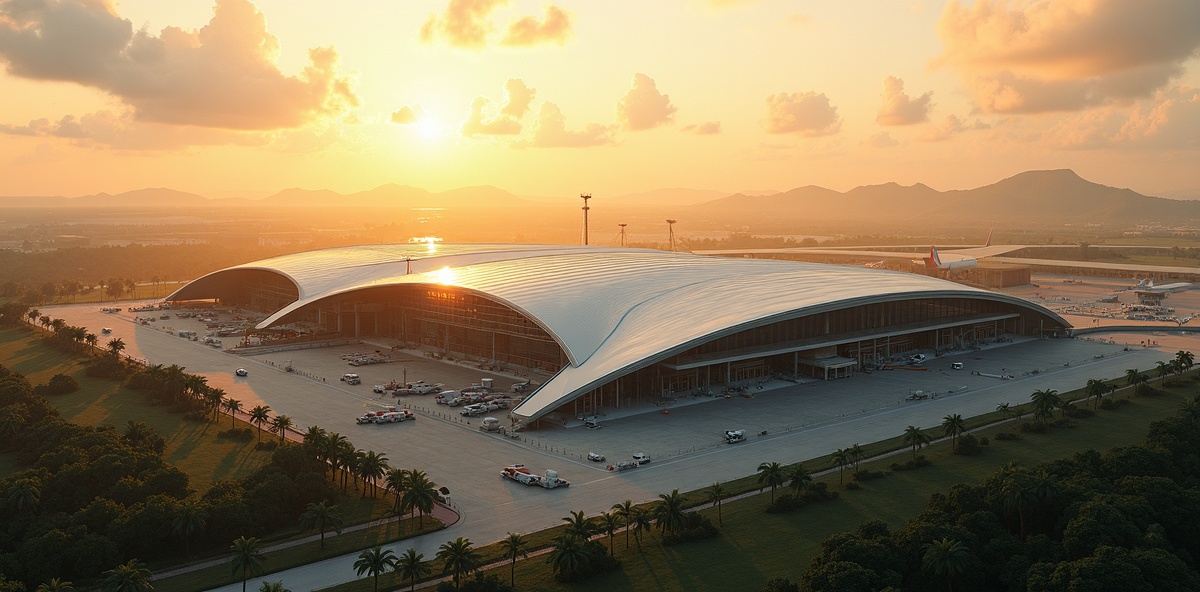
As Vietnam accelerates toward its goal of becoming a premier aviation hub in Southeast Asia, all eyes are on Long Thanh International Airport — the nation's most ambitious infrastructure project to date. Located approximately 40 kilometers east of Ho Chi Minh City in Dong Nai Province, the mega-airport is now entering its final construction phase with Phase 1 operational readiness firmly targeted for 2026.
A Project of National Significance
The Long Thanh International Airport project represents a total investment of approximately USD 16 billion, making it one of the largest infrastructure undertakings in Vietnamese history. Once fully completed across all three phases, the airport will boast a staggering capacity of 100 million passengers and 5 million tonnes of cargo annually — positioning it among the busiest aviation hubs in the Asia-Pacific region.
Phase 1: What to Expect in 2026
The first phase of operations will see one runway and one passenger terminal become fully operational, with an initial capacity of 25 million passengers and 1.2 million tonnes of cargo per year. The terminal building itself is a marvel of modern architecture, featuring a lotus-inspired design that spans over 370,000 square meters.
For flight operators and ground handling service providers, the operational implications are significant. The new airport will feature state-of-the-art navigation systems, Category III ILS approaches, and advanced air traffic management infrastructure. T&T Aviation has been actively preparing its ground handling capabilities to ensure seamless service delivery from day one of operations.
Strategic Impact on Regional Aviation
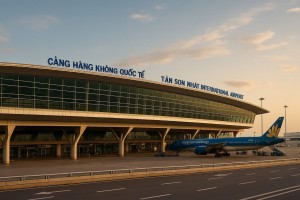
The opening of Long Thanh International Airport will fundamentally reshape air traffic flows in southern Vietnam. Tan Son Nhat International Airport, currently operating well beyond its designed capacity of 28 million passengers annually, will see significant relief as international flights gradually transition to the new facility.
This redistribution of air traffic is expected to reduce congestion-related delays, improve on-time performance metrics, and create new opportunities for both scheduled carriers and non-scheduled charter operations. The increased capacity will also allow Vietnam to negotiate more liberal air service agreements with international partners, potentially opening new direct routes to underserved markets in Europe, North America, and Oceania.
What This Means for Flight Operators
For international flight operators and private aviation clients, Long Thanh presents both opportunities and operational considerations. The airport's modern facilities and dedicated general aviation handling areas promise faster turnaround times and enhanced service quality. However, operators must familiarize themselves with new slot allocation procedures, revised CIQ processing protocols, and updated ground handling coordination requirements.
T&T Aviation strongly recommends that operators planning to use Long Thanh International Airport begin coordinating their operational requirements at least 72 hours in advance to ensure optimal slot allocation and ground support arrangements.